
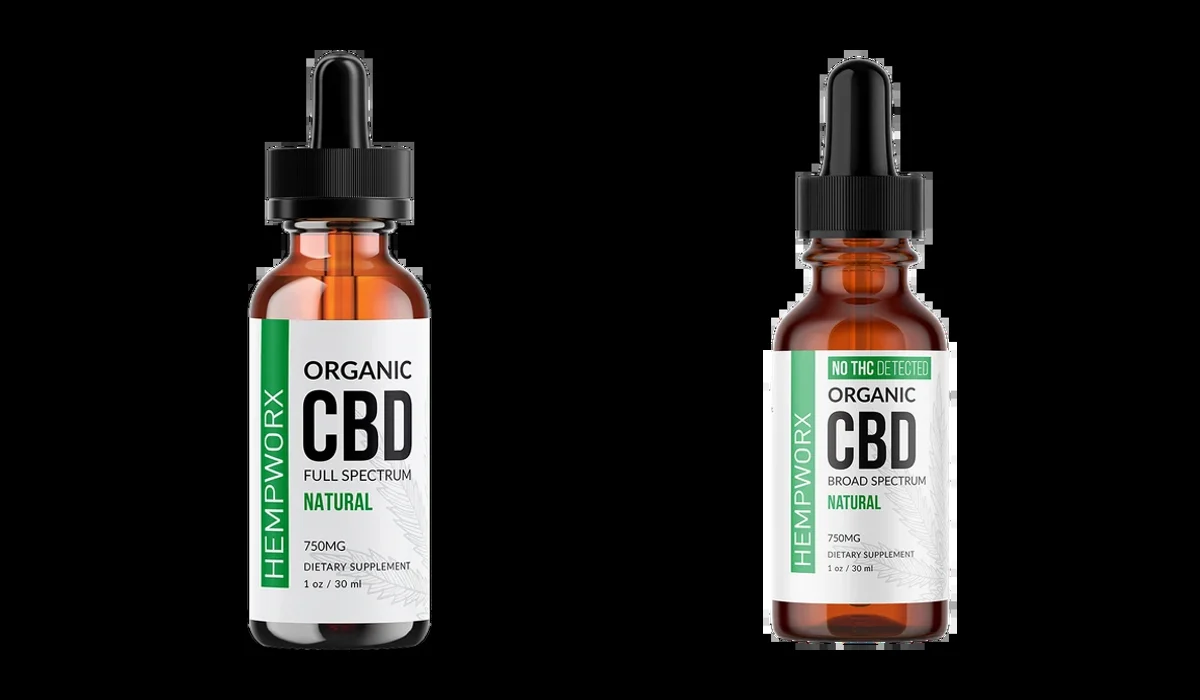
Quick answer: CBD (cannabidiol) and THC (tetrahydrocannabinol) are both cannabinoids from the cannabis plant, but THC causes a high and CBD does not. Hemp-derived CBD is federally legal within THC limits, while marijuana is not. Full spectrum CBD may contain trace THC; broad spectrum and THC-free products are processed to remove detectable THC.
Key takeaways
- Same plant family, very different effects.
- THC strongly activates CB1 receptors in the brain; CBD does not.
- Legal status depends on THC content, and federal limits are tightening.
- Drug tests look for THC, so product type matters.
How CBD and THC act differently
Both interact with the endocannabinoid system. THC binds directly to CB1 receptors in the brain, which produces intoxication. CBD binds only weakly to those receptors and acts through several other pathways, so it does not produce a high.
Hemp vs marijuana
Legally, hemp is cannabis with no more than 0.3% delta-9 THC by dry weight. Marijuana exceeds that. CBD products sold nationally are made from hemp. A new federal definition counting total THC per container takes effect in late 2026; see Is CBD Legal in 2026?
Full spectrum, broad spectrum and THC-free
Full spectrum keeps the plant’s natural cannabinoids, including trace THC. Broad spectrum keeps many compounds but removes THC. Isolate is pure CBD. Compare them in Full Spectrum vs Broad Spectrum CBD and THC-Free CBD Oil Explained.
Drug testing
Standard workplace tests look for THC metabolites. Regular use of full spectrum products can, in some cases, lead to a positive result. Read Will CBD Show Up on a Drug Test?
Choosing a product
If you want no THC, explore THC-Free CBD Oil. If you prefer the whole-plant profile and are not tested, consider Full Spectrum CBD Oil.
The chemistry: same formula, different shape
CBD and THC have the same chemical formula, 21 carbon atoms, 30 hydrogen atoms and 2 oxygen atoms, but their atoms are arranged differently. THC has a closed ring that lets it fit snugly into the CB1 receptor. In CBD, that ring is open, so it does not activate CB1 in the same way. That small structural difference explains the big difference in how they feel.
Side-by-side comparison
| CBD | THC | |
|---|---|---|
| Intoxicating | No | Yes |
| Main source in products | Hemp | Marijuana (and trace amounts in hemp) |
| Federal status | Legal from hemp within THC limits | Controlled when above hemp limits |
| Drug tests | Not usually tested for | Main target of standard tests |
| Common side effects | Drowsiness, digestive upset | Impairment, anxiety, rapid heart rate, dry mouth |
The entourage effect
Some researchers propose that cannabinoids and plant compounds such as terpenes may work together, an idea called the entourage effect. It is one reason some people prefer full spectrum products. The evidence in humans is still limited, and people who want to avoid THC can choose broad spectrum products that keep other hemp compounds while removing THC.
Other THC types you may see
Delta-8 THC, THCA and other variants have appeared in the hemp market. Delta-8 is often produced from CBD in a lab and can be intoxicating. THCA converts to THC when heated. The new federal definition of hemp counts total THC and restricts synthesized cannabinoids, so these products face major changes. HempWorx CBD products are not designed to be intoxicating.
Which is right for you?
If your goal is daily wellness support without impairment, CBD is the relevant choice. If you are subject to drug testing or simply want no THC, choose a THC-free product. If you want the full plant profile and testing is not a concern, full spectrum is an option while it remains legal in your area.
Safety and interactions
CBD is generally well tolerated, but it can cause side effects such as drowsiness, dry mouth, changes in appetite and digestive upset. It is processed by liver enzymes that also process many medicines, so it can interact with drugs such as blood thinners, some anti-seizure medicines and sedatives. Avoid CBD during pregnancy and breastfeeding, and talk with your healthcare provider before starting if you take any regular medication or have a liver condition.
Quality checklist before you buy
Whatever product you choose, check for CBD listed in milligrams per container and per serving, the extract type (full spectrum, broad spectrum or isolate), a batch number, and a recent third-party certificate of analysis that matches that batch and shows passing results for THC, heavy metals, pesticides and residual solvents. Store CBD in a cool, dark place with the cap tightly closed, and use it before the expiry date.
The bottom line
CBD and THC are close chemical cousins, but they lead to very different experiences. THC causes intoxication and is the focus of drug tests and most cannabis laws. CBD is non-intoxicating and has been federally legal from hemp since 2018, though new total THC limits arrive in late 2026. For most people looking for daily wellness support without impairment, a CBD product is the right category, and a THC-free or broad spectrum option removes the remaining THC questions entirely.
Not sure which CBD fits you? Take the free My Health Audit or book a consultation and we will match a HempWorx protocol to your goals and routine.
Frequently asked questions
Does CBD get you high?
No. CBD does not produce the intoxicating high associated with THC.
Can CBD products contain THC?
Full spectrum hemp products can contain trace THC within legal limits. Broad spectrum and THC-free products are processed to remove detectable THC.
Is CBD legal while THC is not?
Hemp-derived CBD has been federally legal since 2018, while marijuana remains federally controlled. New federal limits on total THC in hemp products take effect in late 2026.
Will CBD show up on a drug test?
Most drug tests look for THC, not CBD, but full spectrum products may contain enough THC to cause a positive result.
Can CBD counteract THC?
Some studies suggest CBD may moderate certain effects of THC, but results are mixed, and CBD should not be relied on to prevent impairment.
Is CBD addictive?
Research to date suggests CBD has low potential for abuse or dependence, according to the World Health Organization’s 2018 review.
Can I drive after taking CBD?
CBD on its own is not intoxicating, but it can cause drowsiness in some people. Do not drive if you feel drowsy, and avoid products containing THC before driving.
References
- National Center for Complementary and Integrative Health. Cannabis (marijuana) and cannabinoids: what you need to know. NCCIH
- Minnesota Office of Cannabis Management. Federal hemp changes. mn.gov
These statements have not been evaluated by the Food and Drug Administration. HempWorx products are not intended to diagnose, treat, cure, or prevent any disease. This article is for general education and is not medical or legal advice. Hemp laws vary by state and are changing at the federal level. Talk with your healthcare provider before using CBD, especially if you are pregnant, nursing, take medication or have a medical condition.